
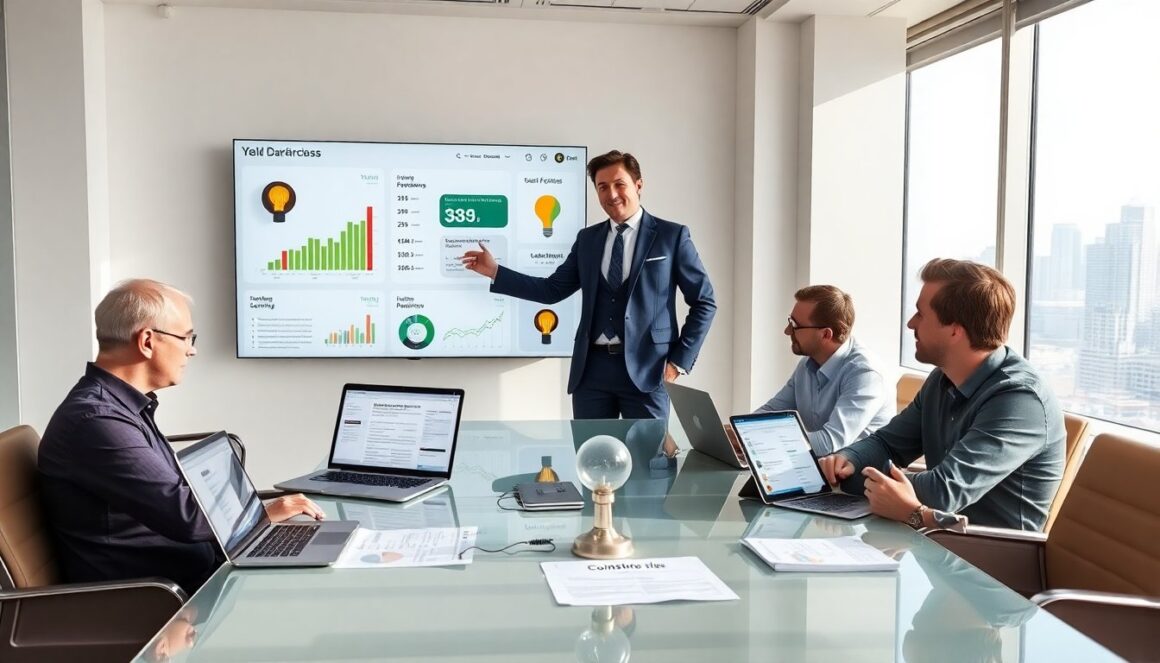
yield farming lamp purchase game feedback coinstridcda sits at the center of many player conversations in 2026. The phrase describes linked systems: token yield, cosmetic lamp purchases, and player feedback on CoinStridCDA. This article explains how those systems work. It shows how players and developers change game economies. It gives clear steps for balance and fair play.
Key Takeaways
- Yield farming in games like CoinStridCDA lets players earn tokens through staking and spend yield on lamps, balancing token circulation and in-game economy.
- Developers must carefully manage token emission, lamp supply, and burn mechanics to maintain fair token value and player incentives.
- Active player feedback on token rewards, lamp pricing, and UI friction is essential for developers to adjust mechanics and improve game balance.
- Transparent communication of token rules, reward rates, and changes builds player trust and encourages constructive participation.
- Developers and players should collaborate by tracking key metrics like token price and lamp sales, using data-driven approaches to maintain a stable economy.
- Diversifying token use between staking and spending, alongside gradual feature rollouts, helps prevent market volatility and supports sustainable game growth.
What Yield Farming Means For Game Economies And Lamp Purchases
Yield farming lamp purchase game feedback coinstridcda appears across several blockchain games in 2026. Developers issue tokens and let players stake them. Players stake tokens to earn yield. Players spend yield on in-game items such as lamps. Players buy lamps to show status or to unlock minor bonuses. Designers set lamp supply and token rewards. The supply affects token value and player incentives.
When players earn token yield, they decide to hold or to spend. When they spend on lamp purchases, they remove tokens from circulation. That action can support token price. When players hold tokens, the game economy gains liquidity but faces low item sales. Game teams test reward rates to balance holding and spending.
CoinStridCDA links token rules and item design. CoinStridCDA sets the token emission schedule and the lamp drop rates. CoinStridCDA can add burn mechanics when players buy lamps. Burning tokens lowers circulating supply. Lower supply can support token value. Designers must measure effects. They must avoid sudden inflation or deflation.
Players react to perceived fairness. If yield farming feels too easy, many players stake and sell tokens. That action triggers price pressure. If lamp purchases feel unfair or overpriced, few players buy. That action reduces in-game demand and breaks feedback loops. Good systems reward active play and steady purchases. Good systems use clear signals so players know why lamp purchases matter. CoinStridCDA needs transparent rules and straightforward feedback channels.
How Player Feedback Influences Token Design And CoinStridCDA Mechanics
Players give feedback on forums, social channels, and in-game surveys. Players report on token rewards, lamp pricing, and transaction friction. Developers read that feedback and change token design. Developers adjust yield rates, staking terms, and lamp prices based on player reports. Players test changes and provide follow-up feedback. That loop changes CoinStridCDA mechanics over time.
Player feedback highlights friction. Players point out slow reward updates, gas costs, or confusing UI. Developers reduce friction by lowering claim steps, batching rewards, or subsidizing transaction costs. Players then test the new flow and report the results. This cycle drives many CoinStridCDA updates.
Players also propose new lamp features. Players ask for cosmetic options, seasonal lamps, and lamp utility. Developers add lamp utility when players show demand. For example, developers may let certain lamps grant small experience boosts or unlock exclusive views. Developers add utility slowly. They measure the impact on token circulation and on player satisfaction.
Good feedback systems capture sentiment and data. Developers track token price, staking rates, and lamp sale velocity. Developers link these metrics to player comments. They use short surveys to confirm hypotheses. Developers run A/B tests for CoinStridCDA rules. Players respond, and developers iterate. The result is a token design that reflects player needs and preserves economic stability.
Players accept change when developers explain reasons. Developers who publish clear change logs keep player trust. Players then provide constructive feedback and participate in yield farming lamp purchase game feedback coinstridcda experiments.
Practical Steps For Developers And Players To Balance Yield Farming, Purchases, And Feedback Loops
Developers should set clear token schedules. They should state emission rates, vesting, and burn rules. Developers should publish simple examples. Examples show how many tokens a player can earn and how many tokens a lamp costs. Developers should test yield rates in small batches. They should use telemetry to watch player behavior.
Developers should create easy feedback channels. Developers should add short in-game surveys after major events. Developers should keep public forums and reply to common questions. Developers should show metrics and explain planned changes. This practice reduces rumor and panic.
Developers should use phased feature releases. They should launch lamp features in test zones or with limited runs. Developers should measure lamp purchases and token flows. They should pause or adjust if the data shows stress on the token economy. They should run fixed-length experiments and report the results to players.
Players should read published rules before they stake. Players should check emission rates and lamp prices. Players should join test groups for new features. Players should give clear feedback that contains examples and numbers. Clear feedback helps developers act fast.
Players should diversify actions. Players should split holdings between staking and spending. Diversification reduces sudden selling pressure. Players who buy lamps during limited runs support in-game markets. Players who sell all tokens at once can harm token value and player trust.
Both sides should agree on key metrics. Developers and players should track token price, staking participation, lamp sale rate, and transaction cost. Developers should publish these metrics weekly. Players should discuss trends in public channels. This practice makes yield farming lamp purchase game feedback coinstridcda functions more predictable.
Developers should consider small taxes or fees on large sells to reduce volatility. Developers should use those funds for community rewards or lamp drops. Players should expect small fees and evaluate the long-term benefits. When both parties act with data and clarity, the game economy stays healthy and players keep trust.