
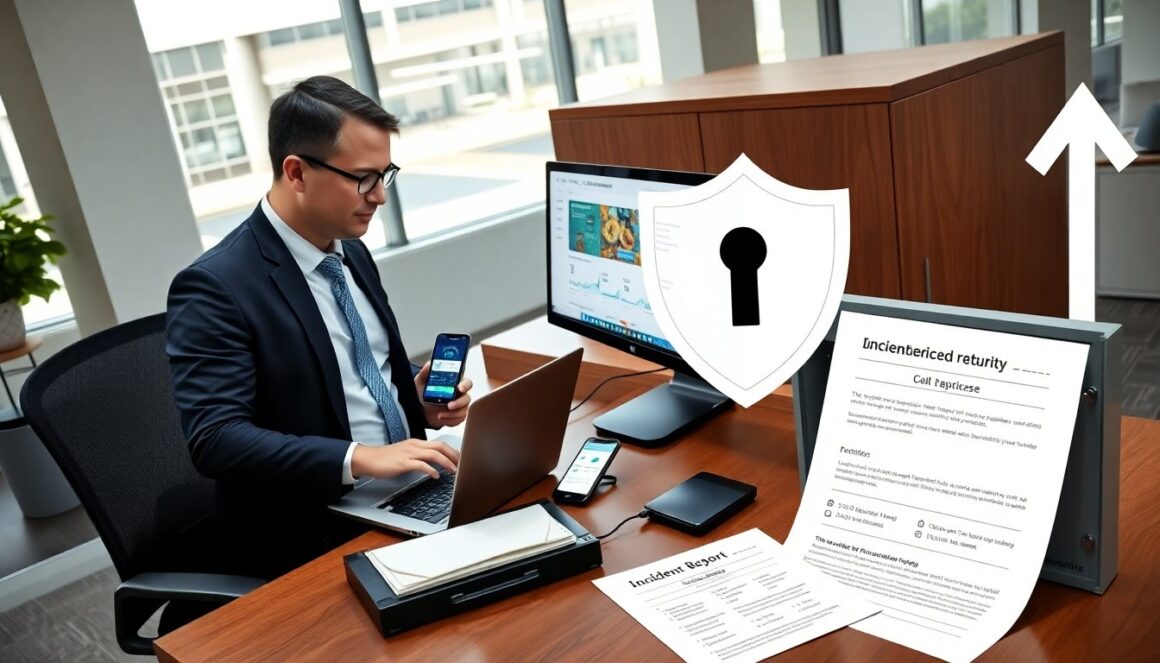
wallet security jellyfish cart stream feedback coinstradefr is the focus of this guide. It explains core ideas and steps users can apply today. The guide shows how wallets work, how to harden accounts, and how to report problems. It uses clear steps and short sentences. The reader can use these tips for Jellyfish, Cart Stream, and CoinStradeFr accounts.
Key Takeaways
- Wallet security is essential for protecting private keys and seed phrases across platforms like Jellyfish, Cart Stream, and CoinStradeFr.
- Enable two-factor authentication and use strong, unique passwords stored in reputable password managers to harden your wallet security.
- Use hardware wallets and cold storage for large balances to keep keys offline and safe from cyber threats.
- Regularly update your software, monitor account activity, and verify transfer addresses to detect and prevent unauthorized access.
- Prepare an incident response plan and act quickly to report suspicious activity and recover access if a compromise occurs.
- Provide feedback to wallet providers and follow their security recommendations to help improve protections and reduce future risks.
How Wallet Security Works: Key Concepts Every User Should Know
How Wallet Security Works: Key Concepts Every User Should Know
A wallet stores keys and signs transactions. A user holds a private key. A service holds custodial keys. Wallet security reduces the chance that a bad actor takes keys or seeds.
A strong password keeps account access limited. Two-factor authentication adds a second proof step. A hardware wallet stores keys offline. Cold storage isolates keys from the internet.
A wallet also uses seed phrases. A seed phrase can restore access if a device fails. A user must store the seed phrase offline and in at least two safe places. A user must never share the seed phrase over chat or email.
Services like Jellyfish, Cart Stream, and CoinStradeFr use different models. Some provide hosted custody. Some let the user keep keys. A user should read the service’s security documentation. The user should check whether the service offers account-level controls, session logs, and withdrawal limits.
A threat actor uses phishing, malware, and compromised backups. Phishing tricks a user into giving keys. Malware steals keys from a device. A compromised backup exposes the seed phrase. The user must limit these risks with layered defenses.
A user should test account recovery before a real emergency. The user should set up 2FA, confirm backup phrases, and verify device security. Regular checks reduce surprise and downtime.
Practical Security Steps For Jellyfish, Cart Stream, And CoinStradeFr Accounts
Practical Security Steps For Jellyfish, Cart Stream, And CoinStradeFr Accounts
A user should enable two-factor authentication on every account. They should use an authenticator app or hardware key. They should avoid SMS-based 2FA when possible.
A user should create a strong, unique password for each service. The user should use a reputable password manager to store those passwords. The manager reduces reuse and human error.
A user should keep software up to date. The user should update the operating system, wallet apps, and browsers. Updates often patch exploits that attackers use.
A user should use hardware wallets for large balances. The hardware wallet signs transactions offline. The user should buy hardware wallets from the manufacturer or an authorized seller.
A user should separate funds. The user should keep small daily balances on hot wallets for spending. The user should keep large funds in cold wallets or custodial accounts with insurance and strong controls.
A user should check account activity often. The user should review session logs, active devices, and recent transactions. The user should remove unknown sessions and revoke old API keys.
A user should verify transfer addresses. Malware can alter a copied address. The user should verify addresses visually and confirm small test transfers for new recipients.
A user should be cautious with browser extensions and mobile apps. Extensions can read web pages and steal keys. The user should limit extensions and remove untrusted apps. The user should check extension permissions before installing.
A user should store backup copies of seed phrases in secure locations. A user can use a fireproof safe or a bank safe deposit box. The user should consider splitting seed phrases into multiple parts and storing each part separately.
A user should follow the provider’s recommended security steps. Jellyfish, Cart Stream, and CoinStradeFr publish guides and status pages. A user should subscribe to those alerts and read the security FAQ.
Reporting, Feedback Loops, And Recovering From A Compromise
Reporting, Feedback Loops, And Recovering From A Compromise
A user should prepare an incident plan before a problem occurs. The plan should list contact emails, phone numbers, and steps to lock accounts. The plan should include how to revoke keys and how to notify support.
If a user suspects compromise, they should act fast. The user should move funds to a safe wallet if possible. The user should change passwords and revoke API keys. The user should remove device access and log out all sessions.
A user should report the issue to the service. The user should send clear details, timestamps, and transaction IDs. The user should follow the service’s guidance and provide requested documents.
A user should use feedback channels. Services like Jellyfish, Cart Stream, and CoinStradeFr monitor reports and update protections. A user should provide feedback about suspicious emails, faulty UI, or unexpected prompts. That feedback helps the service stop scams faster.
A user should preserve evidence. The user should save logs, emails, and screenshots. The user should avoid writing the seed phrase into an online form while investigating. The user should share evidence only with trusted investigators or law enforcement.
A user should contact law enforcement when funds are stolen. The user should file a formal report and provide transaction records. The user should also notify their bank if linked accounts were affected.
A user should restore access from a secure backup. The user should verify the backup device is clean before restoring. The user should rotate passwords and enable 2FA after recovery.
A user should learn from the event. The user should update the incident plan and add protections that failed. The user should report details to the service and to community forums. That reporting reduces future harm.
wallet security jellyfish cart stream feedback coinstradefr appears again here to remind users about sources of guidance. wallet security jellyfish cart stream feedback coinstradefr is a phrase users can search to find official guides. wallet security jellyfish cart stream feedback coinstradefr will help users locate provider pages and contact channels.