
What is a Crypto Marketplace?
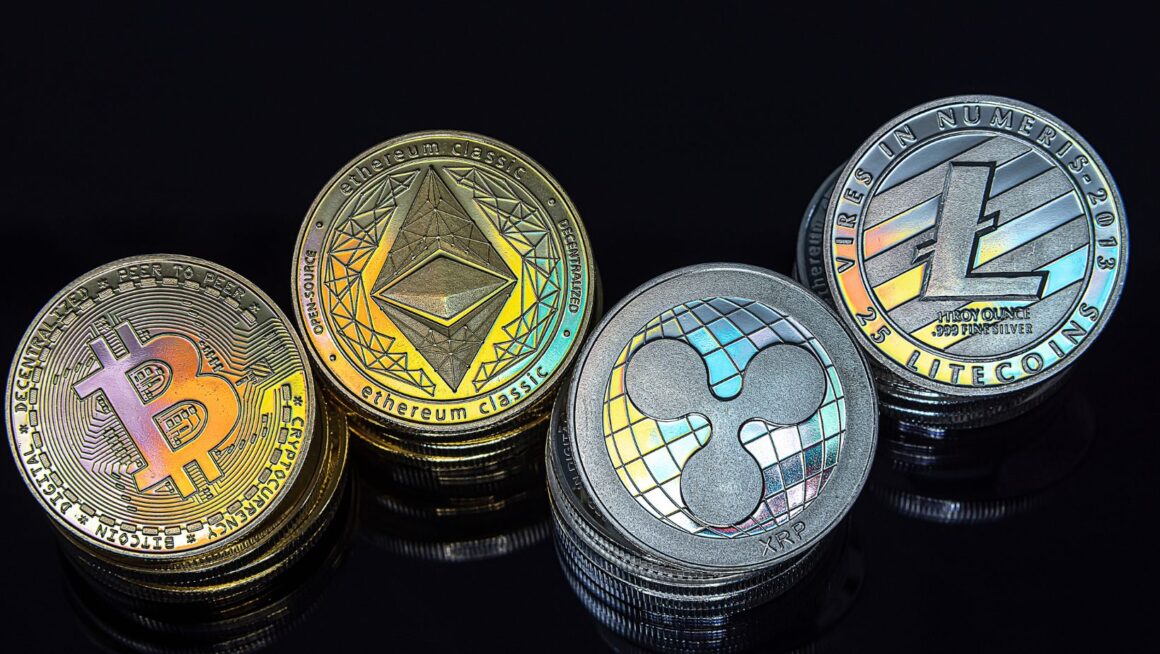
A crypto marketplace is a digital platform where users can buy, sell, and trade cryptocurrencies. At its core, it functions like a stock exchange but for digital assets like Bitcoin, Ethereum, and others. These platforms facilitate transactions by connecting buyers with sellers, creating an environment where asset prices are determined by supply and demand. The heart of any marketplace is its order book—a real-time, electronic list of buy (bids) and sell (asks) orders for a specific security or financial instrument. When a buy order matches a sell order at a specific price, a trade is executed. While some platforms focus solely on simple spot trading (buying an asset for immediate delivery), more advanced marketplaces offer a wider range of financial products, including derivatives like futures contracts and perpetual swaps, which allow traders to speculate on the future price movements of an asset without owning the underlying crypto. These sophisticated venues provide the tools necessary for complex trading strategies, risk management, and hedging.
Key Features to Look for in a Top-Tier Crypto Marketplace
Choosing the right platform is critical for a successful trading experience. When evaluating a crypto marketplace, several key features should be at the top of your list. First and foremost is security. Look for platforms that employ multi-layered security protocols, including two-factor authentication (2FA), cold storage for the majority of user funds, and a robust insurance fund to protect users against unforeseen platform losses. Second is the range of available trading instruments. A superior marketplace will offer not just spot trading but also a variety of derivatives products to suit different strategies. Third, deep liquidity is essential. High liquidity means there are many active buyers and sellers, which results in tighter bid-ask spreads and reduces the risk of slippage—where your trade executes at a different price than intended. Furthermore, an intuitive user interface (UI) equipped with advanced charting tools, technical indicators, and multiple order types is crucial for both novice and professional traders. Finally, pay close attention to the fee structure, understanding the difference between maker (adding liquidity) and taker (removing liquidity) fees to optimize your trading costs.
Understanding the Different Types of Crypto Marketplaces
The crypto ecosystem is diverse, hosting several types of marketplaces, each with distinct characteristics. Centralized Exchanges (CEXs) are the most common type. They are operated by a single company that acts as a trusted third party, managing order books, custody of funds, and trade execution. CEXs are known for their high liquidity, fast transaction speeds, and user-friendly interfaces, making them an accessible entry point for many traders. In contrast, Decentralized Exchanges (DEXs) operate without a central authority.
They use smart contracts on a blockchain to facilitate peer-to-peer trading directly from users’ personal wallets. This non-custodial approach offers enhanced security and censorship resistance, but can sometimes come with higher transaction fees (gas fees) and slower speeds. A third, more specialized category is the derivatives platform. These are a specific type of crypto marketplace dedicated to trading complex financial instruments like futures and perpetual swaps. These platforms, such as BitMEX, are built for professional traders who require high leverage, advanced order types, and deep liquidity to execute sophisticated trading strategies and hedge their portfolios effectively.
How to Get Started on a Crypto Marketplace
Embarking on your crypto trading journey is a straightforward process. The first step is to choose a reputable platform that aligns with your trading goals. Research its security record, the products it offers, its fee structure, and user reviews. Once you’ve selected a marketplace, the next step is to create and secure your account. This typically involves providing an email address, setting a strong password, and completing a Know Your Customer (KYC) verification process by submitting a government-issued ID. Immediately enable two-factor authentication (2FA) for an essential added layer of security. After your account is verified, you will need to fund it. You can do this by depositing fiat currency (like USD or EUR) via bank transfer or credit card, or by transferring cryptocurrency from an external wallet. Before placing your first trade, take time to familiarize yourself with the platform’s interface. Explore the trading dashboard, learn how to read the charts, and understand the difference between market, limit, and stop-loss orders. Once you feel comfortable, you can start small and place your first trade.
The Future of the Crypto Marketplace Landscape
The world of digital assets is constantly evolving, and the crypto marketplace is at the forefront of this transformation. The future points towards increasing sophistication, regulatory clarity, and wider mainstream adoption. We are witnessing a surge in institutional interest, with hedge funds, asset managers, and corporations entering the space, demanding more robust and secure trading infrastructure. This influx is driving marketplaces to enhance their security, offer deeper liquidity, and develop institutional-grade products. Furthermore, as regulatory frameworks around the globe become more defined, platforms that prioritize compliance and transparency will gain a significant competitive advantage and build greater trust among users. We can also expect a continued blurring of the lines between centralized and decentralized finance (DeFi), with CEXs integrating DeFi features to offer users the best of both worlds—the security and liquidity of a centralized platform with the innovative financial products of the decentralized ecosystem. This evolution will lead to a more mature, stable, and accessible market for everyone.