
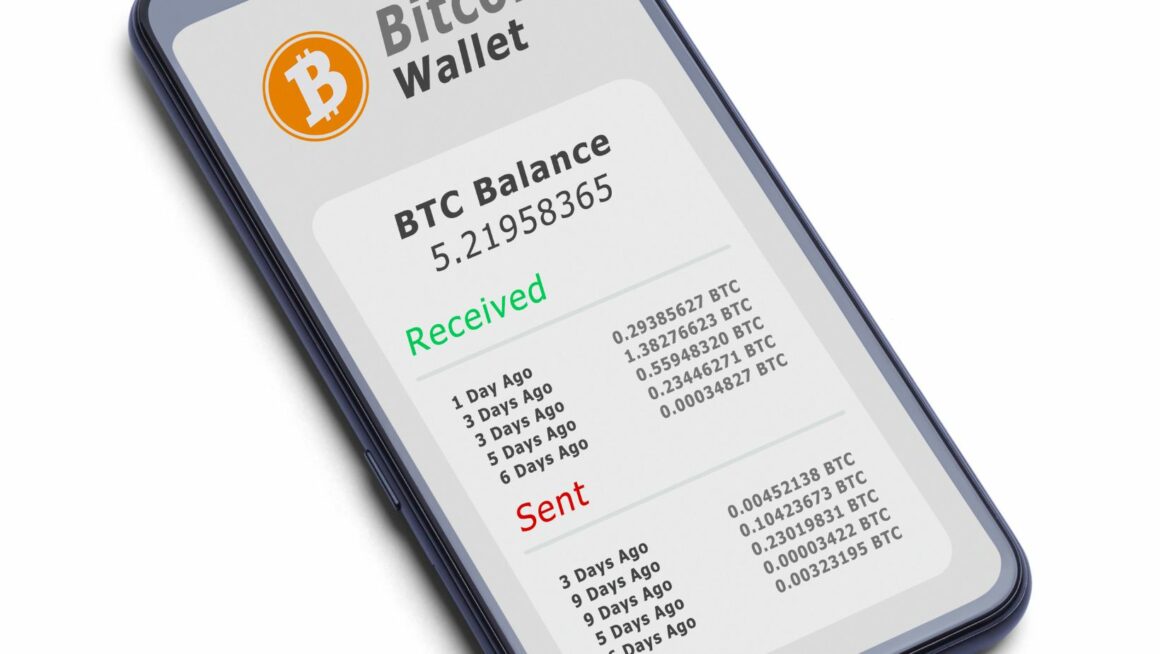
In the intricate world of digital currencies, Bitcoin stands as a titan. Yet, with its rise in popularity, it’s also seen an increase in fraudulent activities. One such alarming trend is the creation of fake Bitcoin wallet screenshots.
These counterfeit images are designed to deceive and are a serious concern for Bitcoin enthusiasts and newcomers alike. They’re often utilized in scams, convincing the unsuspecting that transactions have occurred when they haven’t.
Fake Bitcoin Wallet Screenshot
What Are Fake Bitcoin Wallet Screenshots?
 Fake Bitcoin wallet screenshots represent deceptive digital images imitating the actual Bitcoin transaction interface. Counterfeit in nature, these images fool individuals by showcasing fictitious transactions. For instance, a fake bitcoin wallet screenshot may show thousands of Bitcoins transacted, despite no real exchange of cryptocurrency taking place. Perpetrators use these to convince victims of successful payment, fostering a false sense of security.
Creating fake Bitcoin wallet screenshots frequently involves the use of specialized software or application. Perpetrators manipulate real Bitcoin wallet screenshots, alter transaction details, and use alternation tools to produce forged images. For example, they may change the transaction amount or Bitcoin address in an original screenshot to craft their deceitful narrative. Thus, it’s pivotal for Bitcoin users to verify transactions through reliable software, not just trust the screenshots.
The Impact of Fake Bitcoin Wallet Screenshots
Fake Bitcoin wallet screenshots exert a devastating impact, swaying from individual investors to the broader cryptocurrency market.
On Individual Investors
The dome of fake Bitcoin wallet screenshots casts a shadow of mistrust on individual investors. Innocent investors get lured into transactions, enticed by fabricated screenshots portraying successful payments. Trust vanishes, replacing it with suspicion. As these counterfeit activities bolster, the line between genuine and fabricated transactions grows hazy, leaving individual investors in dilemmas. For example, if an investor experiences one fraudulent transaction, the doubt extends for all future transactions, even those conducted genuinely.
Monetary loss tops the consequence list. While specific figures on losses due to fake Bitcoin wallet screenshots aren’t available, public sources cite that cryptocurrency scams, including counterfeit screenshots, scammed individuals off $3 billion globally in 2019.
On the Cryptocurrency Market
 Beyond individual investors, counterfeit Bitcoin wallet screenshots impact the overall cryptocurrency market. These malicious practices cultivate mistrust, creating ripples of skepticism throughout the market.
Fundamentally, cryptocurrencies depend on decentralized peer-to-peer transactions. The heart of this structure is trust. When fake schemes like Bitcoin wallet screenshots flourish, it disrupts this trust system. It results in decreased participation, driving potential market players away from cryptocurrency transactions.
Sharp drops in cryptocurrency values aren’t uncommon following scam outbreaks. If these scams rise, the market might correspondingly see a drop in Bitcoin value. It serves as a deterrent, causing speculation among potential investors. Simultaneously, it magnifies the need for investor education and tighter security protocols within the cryptocurrency landscape.
In a nutshell, the fake Bitcoin wallet screenshots leave an indelible impact – laying a path of toeing the line for individual investors and stirring ripples in the cryptocurrency market.
Detecting Fake Bitcoin Wallet Screenshots
 Recognizing a fake Bitcoin wallet screenshot isn’t always straightforward. However, with careful attention, one can spot potential inconsistencies that raise suspicion. Checking transaction IDs against those recorded on the Bitcoin blockchain provides a concrete method of verification. Alternatively, observing patterns of unusual activity, such as multiple transactions to the same address within a short time span, can hint at fraudulence. Furthermore, it’s suggested to consider software that can help identify forged screenshots. Adopting these practices helps ensure the authenticity of transactions, reinstating trust and mitigating skepticism in the cryptocurrency market.
Legal Implications
Fake Bitcoin wallet screenshots pose a significant challenge for the cryptocurrency market. They’re not just causing monetary losses but also eroding trust among investors. It’s vital for users to stay vigilant and adopt practices that ensure transaction authenticity. Checking transaction IDs against the Bitcoin blockchain and observing unusual activity patterns are effective methods to detect these scams. By doing so, users can rebuild trust and reduce skepticism, thereby stabilizing the market and minimizing value fluctuations. Remember, the fight against fraudulent activities like fake Bitcoin wallet screenshots is a collective effort. Users, developers, and legal entities must work together to secure the cryptocurrency market’s future.