
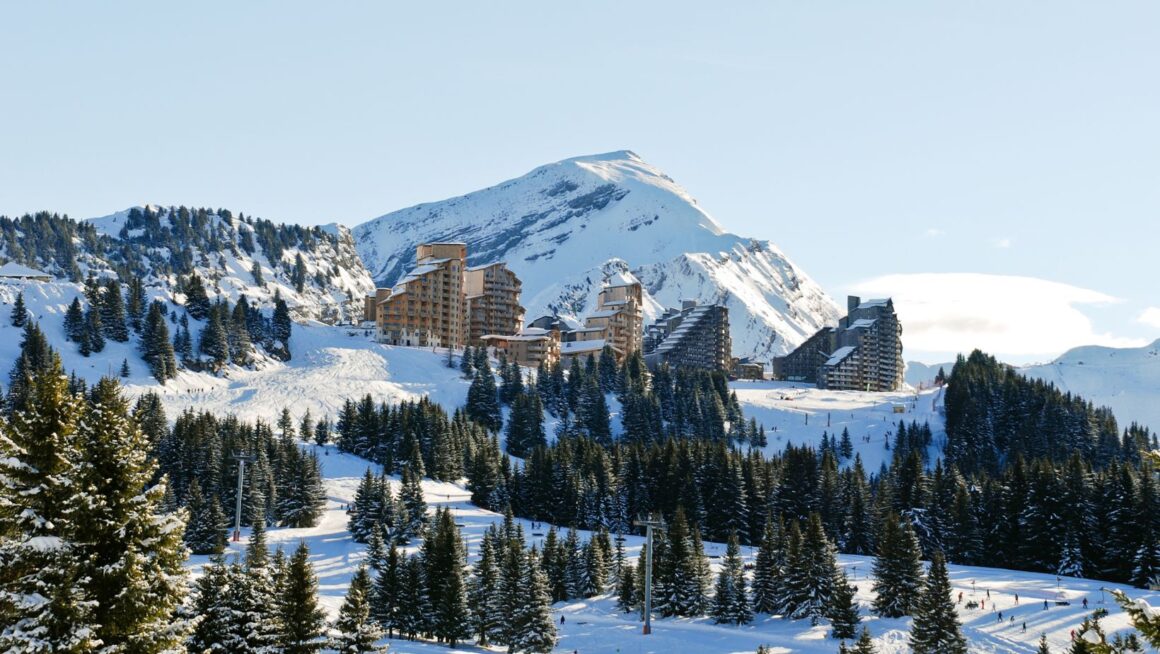
The Alps are not simply a geographical formation – they’re an evolving cultural entity molded by centuries of travel, exchange, conflict and cooperation. Stretching over eight countries, the Alps have seen everything from ancient traders and royal families to traveling monks, soldiers, shepherds, artists and explorers. Each valley retains its own dialect, traditions and stories, but there is also a regional feeling of union cultivated by the land upon which people live. The modern Alps that exist today reflect layers upon layers of history that influence everything from architecture, gastronomy, language and daily customs. This article will delve into how the past created the diverse yet interconnected fabric of life in the Alps today.
Ancient Paths and Early Settlers Who Exploited a Region Before it Became a Tourist Destination
Long before the Alps became traversed by tourists, this very region was home to ancient peoples who learned how to survive in extreme conditions. Private transfers from Geneva Airport to Avoriaz now make it effortless for modern travelers to reach these same historic valleys where ancient cultures once moved goods, ideas, and traditions across mountain passes. Settlements sprung up along ancient river valleys and mountain passes which became major trade routes between northern and southern Europe. These routes allowed products, ideas, and beliefs to traverse the highest parts of Europe at the same time. The Celts, Romans and subsequent medieval regions established roads, bridges, fortifications and agricultural terraces that would mark daily life for centuries to come. Today, certain valleys reveal the remnants of towns and structures between mountains and forests carved out by ancient ways of life, serving as reminders that the Alps were always a conduit, not a barrier. Thus, early settlers paved the way for cultural developments that would not have been possible without their tenacity.
Roman Contributions to Language and Infrastructure Echo Empire’s Importance
When the Romans expanded their empire to the regions of the Alps, they brought opportunities for infrastructure, law and enhancements to trading processes that transformed life in the mountains. Romans built engineered roads like the Via Claudia Augusta which allowed soldiers, merchants, politicians and more to gain access to what was otherwise rugged terrain. Roman construction techniques, agricultural practices, and cultural endeavors transformed newer populations there as these ideas became fused with what was already established. Roman towns became economic and political centers for what became a burgeoning quality of life and development of cities that thrive now. In fact, remnants of Roman establishments are present through language, building remains and signs across the various countries today. Thus, Romans provided an empire-wide foundation for others to build upon later on in history.
Medieval Monasteries as Economic and Cultural Hotbeds for Transformation of Life
With the rise of medieval societies came a new layer of spirituality that continued to impact everyone who lived in the region. Medieval monasteries played a pivotal role in the economic and social fabric of the Alps. Monks cleared land for farms, vineyards (that exist still) and learned how to procure food through sustainable agricultural practices. They preserved manuscripts and artistic endeavors through turbulent times that would see all but lost centuries later. Additionally, for those traveling across mountain valleys in hostile conditions, these monasteries provided safe havens where hospitality became important factors of civilization. Today many monasteries still exist, showing an interconnected life with spirituality, creation and cultivation that defined day-to-day life in the most unique region since the medieval era. Terraces, mills and stone homes built during this era still give symmetry and aesthetics to a once harsh existence.
Trade, Migration, and the Intermixing of Cultures
The Alps have always been a trading crossroads. From merchants carrying salt and textiles across high mountain paths to spices and metals traversing combined northern European paths to Mediterranean routes, the movement of people created intermingling of cultures – languages merged, recipes went up and down to valleys, and artistic ideas channeled through valleys from one direction to another. Furthermore, people used to migrate from valley to valley with their families in search of farmland, safety or opportunity; generations later, this intermingling fostered traditions clearly established today – architectural patterns, dialects and culinary essentials celebrate centuries of interactions that established a unique identity for all Alps residents.
The Growth of Unique Alpine Villages with Localized Identities
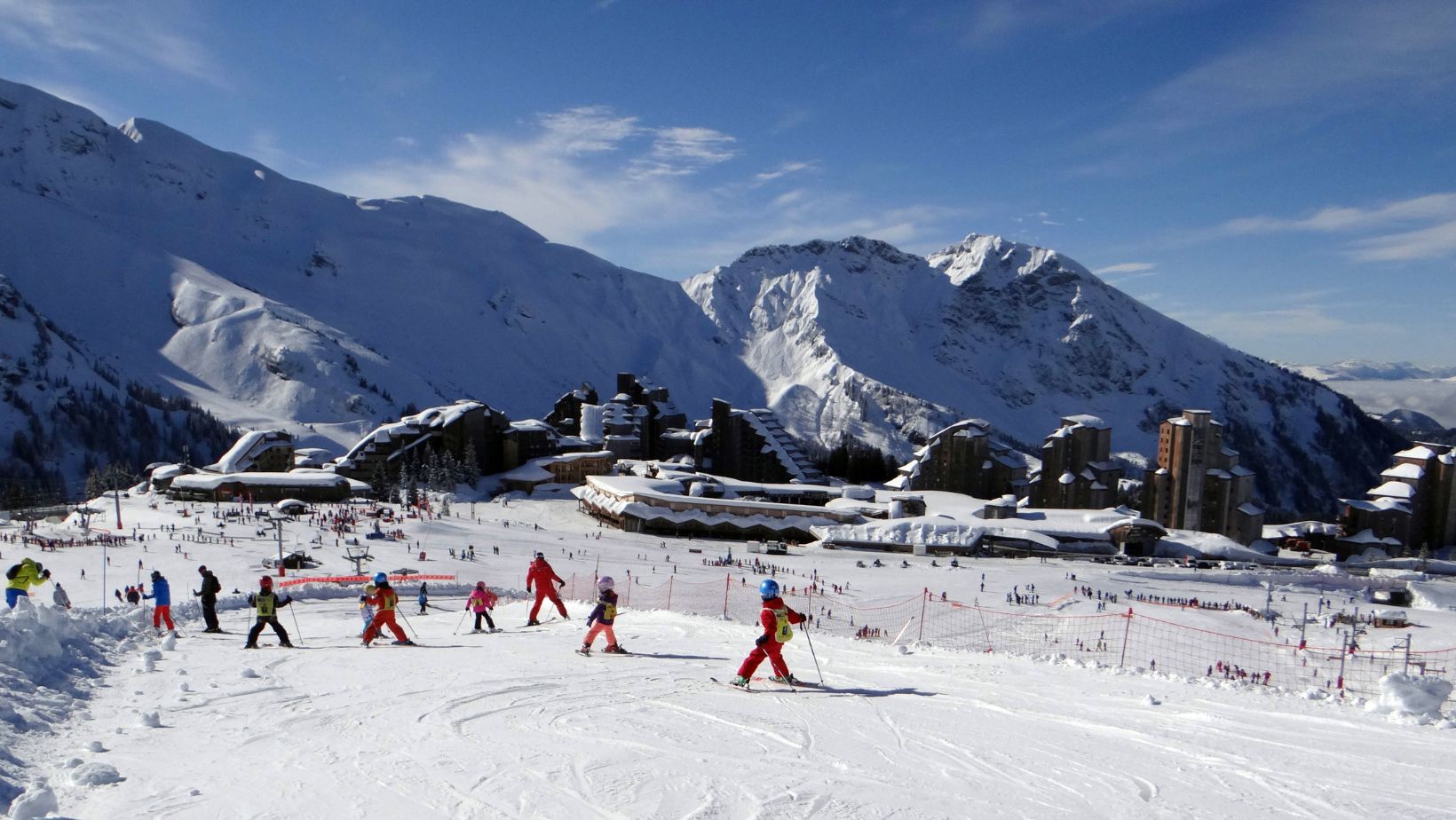
As populations grew, specific areas developed localized identities based on geography, available resources and personal history. Interruption from winter snowfalls or difficult mountain passage prevented people from accessing the many villages surrounding them. Thus, they fostered independence in customs, aesthetics, and dialects. Therefore, one of the most fascinating aspects of the Alps culture is its diversity – one might cross into another valley and find entirely different architectural styles, holidays or culinary specialties. Yet villages relied on agriculture, handmade crafts, and community skills to support each other. These are preserved as traditions today across the many historical villages in the mountains in a historical museum of identity that allows visitors to experience how places adapted over time to the mountains’ lifestyle.
The Role of Empires and Kingdoms in Border Changes Over Time
The Alps have been impacted over time by the rise and fall of empires. The region has been a part of kingdoms raised by the Habsburgs, the Savoys, the Carolingians – the peoples who lived here first took refuge due to their power and subsequently sought refuge due to architectural and cultural blend efforts as complications emerged with clear demand to take ownership of strongholds and passes. The shifting borders created pockets of overlap where languages blend over decades as regions became mixed in identity. Thus, there has always been a political focus here thanks to regional pride due to being part of countries like Switzerland and nations with centralized power like Italy and Austria. Fortresses, castles, and an aristocracy tell centuries-old tales of military might, protection and emphasis on important trade routes which shaped modern countries’ administrative boundaries in the region – which are more diverse than any other European area.
Agriculture Shapes Living Patterns in a Development of the Historical Alpine
Agriculture was a fundamental aspect of life in the Alps. Historical development in farming led to the establishment of the valleyed mountains and breathtaking landscapes we see today. Terraced hills, pasture regions, barns made of wood for easy access due to tons of snow over harsh winters, and an inclination for cattle (people say cheese wheels and fondue from alpine cheese makers are some of the best in the world), were all part of regional developments that led to culinary and medicinal developments with alpine herbs, wildflowers, and mountain grains. This evolving history is centuries in the making. Even today, the seasons – sunny summers of transhumance followed by harvest festivals in fall – connect villages and people as it has for generations.
Folklore and Legacy Living as a Cultural Mirror to the Peaks and Valleys
History is steeped in folklore through the Alps. Stories of mountain spirits, heroes and tales told while snowed in at home during winter brought stories to life that reflected the values of bravery, humility, self-deprecation before giants of nature, and respect for all things green and growing. It’s through such storytelling that folk customs emerged – yodeling, seasonal festivals for wildflowers grown during other months, wood carvings that commemorate hunting adventures turned into part of the community fabric. Masks used in winter celebrations, costumes for parades. Songs sung and word patterns discovered through letters carved into trees. Therefore, it’s not merely history but legacy living that reveals the nature of humankind in the Alps today.
The Modern Mountaineering Movement Changes Tourist Proximity to History
By the 19th century, explorers, anthropologists and scientists drawn to geography’s mounting prospects brought changes to daily patterns in tourist accessibility. Mountaineering became a sport bringing thousands and once small villages were considered international destination hotspots, climbing clubs formed, trails were blazed and associations sprung up for guidance. Therefore, where once the Alps were viewed as intimidating structures of the earth, when history was made back in the day, it was transformed into easy access for all – but only after more research about the region became available. Thus, modern tourism patterns are influenced by such developments of this historical era.
Cross-Border Cooperation and the Modern Alpine Identity
Today, the Alps are aligned by environmental considerations, cultural development, and community engagement. Countries across the region find common ground with conservation efforts, sustainable tourism, and cultural preservation. Such modern endeavor only mirrors centuries of integration and cooperation in the mountains as part of daily life. Thus, the Alpine identity has become something more than one unified identity, becoming rooted in tradition but extending to new ideas, proper stewardship of nature and the community. Therefore, those who traverse the area experience such an identity for themselves over a culture that continually takes from its past but looks toward the future in a profound way.
The Development of Alpine Architecture Through Centuries of Adaptation
Alpine architecture is a testament to the region’s history – developed by weather patterns and climate considerations across the subregions with material access, trade, and cultural collaboration. For example, wooden chalets possess steep roofs due to years of construction efforts able to stabilize heavy snowfall. Still, they also reflect Roman influence on stone developments for foundations across rocky and uneven terrain. Each valley became known for a specific architectural trait – from Austria’s ornate wood-carved balconies to Switzerland’s slate-roofed farmhouses and Italy’s sunny log constructions. Over time, outsider influence brought new concepts into play, all combined with local tradition to create a cohesive aesthetic and way of living that proves somewhat antiquated yet revolutionary at the same time. Even today, modern Alpine architecture continues such aesthetic lineage with sustainable offerings that boast historic charm. Thus, such buildings are reminders of what history can teach through generations of identity formation.
Trade Fairs and Market Traditions That Shaped Alpine Economy
For centuries, trade fairs were a central tenet of Alpine life that connected isolated valleys to bustling cities across Europe. Merchants would meet in mountain villages to share salt, wool, livestock, herbs, wine, and artisan goods – signifiers that represented stability and necessity but also creativity for future opportunities. These fairs acted as cultural melting pots where languages merged, crafts were shared among skilled professionals and connections were made across borders. Even today, many villages possess yearly market traditions grounded in medieval foundations that operate as a stark reminder of how commerce created community. The simple act of walking through one of these markets illuminates the history behind such regional transformation – artisans selling their handmade tools, farmers displaying their seasonal offerings, performers celebrating the longstanding traditions. Yet such markets create vibrant identity to this day on local terms which remind travelers of how life was predicated on such exchange for thousands of years.
The Influence of Religion and Pilgrimage Routes on Alpine Culture
Religion is one of the most significant elements that have shaped the sociocultural fabric of the region. The ancient pilgrimage routes that cross valleys, forests and mountain passes once connected villages to sacred places across Europe and established hospitality practices (monasteries and inns provided resting places for tired pilgrims) and carried the dissemination of spiritual teachings and artistic styles/cultural tendencies from place to place. Churches/chappels established along these routes mark moments of identity today, decorated with frescoes, woodcarvings and stonework that typify regionally-based artisanship. Festivals associated with the religion calendar provided stable times during hard winters and marking of changing times, increasingly as the spring brought life back to the hills. Even today, many of these pilgrimage paths exist for hikers in search of restorative reflection (Norton 299) where spirituality, history and nature coexist to supplement, if not define, daily living.