
Digital entertainment has changed significantly over the past two decades. What once meant sitting at a computer to play a favourite game has developed into a much broader experience involving streaming platforms, mobile apps, online communities, interactive content, and digital gaming services. People no longer rely on a single device or platform for entertainment. Instead, they move between different activities depending on their schedules, interests, and social connections.
This transformation reflects a wider change in how people use technology. Convenience, accessibility, personal choice, and social interaction increasingly shape digital habits. Gaming remains an important part of this landscape, but it now exists alongside numerous other online activities that compete for people’s attention.
Digital Payments and the Convenience Factor
As entertainment becomes increasingly digital, payment methods have also become part of the user experience. Purchasing a game, renewing a subscription, buying additional content, or accessing an online entertainment service may involve a transaction completed within seconds.
Convenience matters, but so do security, transparency, and control over spending. Users increasingly expect payment processes to be straightforward, with clear information about fees, recurring charges, and refund conditions.
Different payment options serve different needs. Bank cards may suit frequent purchases, while digital wallets can simplify transactions across participating services. Prepaid payment methods offer another approach for people who prefer to allocate a specific amount to online spending.
For example, users researching casinos that accept Neosurf may be interested in how prepaid vouchers can be used for eligible online entertainment transactions. Availability depends on the individual operator, the country, and the applicable payment terms. Before using any gambling service, adults should verify its licensing, local legality, deposit and withdrawal conditions, and responsible gambling tools.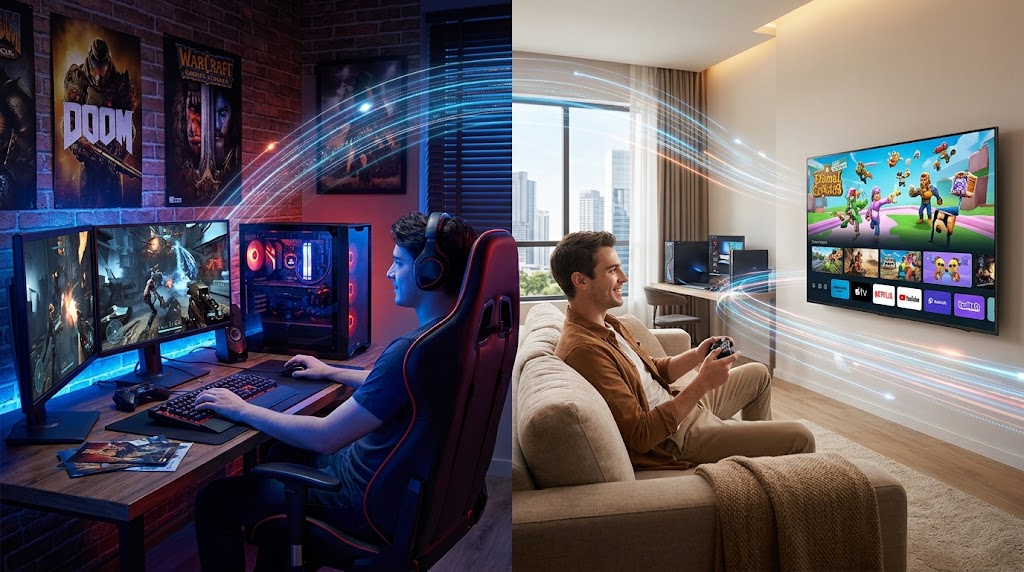
Regardless of the platform, a few sensible payment habits can help users maintain control:
A convenient checkout should support informed decisions rather than encourage unnecessary spending.
The Evolution of PC Gaming
For many early internet users, PC gaming was one of the first ways to experience digital entertainment beyond traditional television and offline activities. Players installed games from physical discs, adjusted computer settings to improve performance, and explored virtual worlds that could keep them occupied for hours.
Multiplayer gaming gradually introduced another dimension. Internet connections allowed people to compete against strangers, cooperate with teammates, and build friendships beyond their immediate surroundings. Online gaming communities became places where users could exchange strategies, discuss updates, and share their experiences.
Over time, several developments transformed the traditional PC gaming model:
- Digital distribution: Players could purchase and download games without visiting physical stores.
- Online multiplayer: Cooperative missions, competitive matches, and shared virtual environments became increasingly accessible.
- Regular updates: Developers introduced new content, seasonal events, and improvements after a game’s initial release.
- Gaming subscriptions: Monthly services offered access to libraries of titles instead of requiring individual purchases for every game.
- Cross-platform play: Some games allowed users on different devices to participate in the same experience.
These changes helped establish gaming as an ongoing digital service rather than an activity limited to purchasing and completing a single title.
From Dedicated Gaming Sessions to Everyday Entertainment
One of the most noticeable changes in digital habits is the shift from planned entertainment sessions to activities that fit into everyday routines.
A person might play a PC game in the evening, watch gaming videos during a lunch break, listen to a podcast while travelling, and use a smartphone game to fill a few spare minutes. These activities serve different purposes but belong to the same broader digital lifestyle.
Mobile technology has been particularly influential because smartphones make entertainment available almost anywhere. Users do not need a powerful computer or a dedicated gaming room to access interactive content. A mobile device can provide casual games, live streams, music, films, and social experiences through a single interface.
The German gaming market illustrates this development. According to the German Games Industry’s 2026 annual report, revenue from games, gaming hardware, and online gaming services reached approximately €9.4 billion in Germany in 2025. Mobile games accounted for more than half of gaming revenue across platforms.
Although market figures vary by country, the wider pattern is clear: digital entertainment is increasingly accessible across devices, and users can choose experiences that suit different situations.
How Different Entertainment Platforms Fit Together
Modern digital entertainment is not defined by one dominant format. Instead, several categories overlap, allowing people to switch between passive consumption and interactive activities throughout the day.
|
Entertainment type |
Typical experience |
Why people use it |
|
PC and console games |
Immersive gameplay and multiplayer sessions |
Challenge, competition, and long-form engagement |
|
Mobile games |
Short sessions and casual challenges |
Convenience and flexibility |
|
Video streaming |
Films, series, and documentaries |
Relaxation and on-demand viewing |
|
Live streaming |
Real-time gameplay and creator broadcasts |
Community and interaction |
|
Social media |
Short videos, discussions, and shared content |
Discovery and communication |
|
Online gaming services |
Game libraries and connected features |
Variety and convenient access |
The boundaries between these categories are becoming less distinct. Someone who discovers a game through a creator’s video may download it, join its community, and eventually subscribe to a service that offers similar titles.
This creates a connected entertainment environment in which discovery, participation, and social interaction often happen across several platforms.
The Growing Importance of Social Interaction
Entertainment has traditionally included both individual and group activities. Digital platforms have made it easier to combine these experiences without requiring everyone to be in the same physical location.
Multiplayer games allow friends to spend time together remotely. Streaming platforms enable viewers to discuss events in real time, while gaming communities provide spaces for exchanging advice and celebrating achievements. Even single-player games can become social experiences when users share screenshots, publish reviews, or watch other people play.
Several factors contribute to this development:
- Shared experiences: Friends can participate in the same activity despite living in different cities or countries.
- Creator communities: Streamers and video creators introduce audiences to new games and entertainment trends.
- User-generated content: Players can produce guides, videos, modifications, and other material inspired by their favourite titles.
- Persistent communities: Online groups can remain active between gaming sessions, keeping discussions and friendships going.
Social interaction can make digital entertainment more engaging, but it also creates new expectations. Notifications, group chats, and live events may encourage users to stay connected even when they originally intended to spend only a short time online.