
A phone upgrade can look like a clean little reset: fresh battery, sharper camera, less lag, fewer “storage full” pop-ups. But the safest upgrades are not emotional. The safest upgrades happen when the current device starts charging a daily fee in time, stress, or reliability.
That practical logic shows up in entertainment habits too, because the phone is the main gateway. A short anchor like x3bet online casino fits naturally into that routine world where a device needs to stay stable for logins, payments, and streaming. When the phone becomes unpredictable, the upgrade stops being a treat and turns into maintenance.
A Useful Rule: Upgrade When the Phone Changes Behavior
The clearest sign is behavior change. If the day is planned around a charger, if apps get avoided because the phone heats up, or if important notifications feel risky, the device is no longer neutral. It is shaping the routine.
A good phone does not demand attention. It fades into the background. The moment the phone becomes a daily project, the upgrade conversation becomes reasonable.
Battery Problems That Mean More Than “It Drains Faster”
Battery aging is normal. The question is whether the battery is still predictable. Predictable is the keyword. A predictable battery can be managed. An unpredictable battery creates anxiety and weird workarounds.
The loud signals are sudden drops, random shutdowns, or the classic move where 30% behaves like 3%. Another clue is charging speed becoming unreliable, especially if the cable and adapter are fine. At that point, the issue might be the port, the battery, or the power management chip, and none of those are fun surprises.
Software Support: The Quiet Reason Upgrades Become Necessary
A phone can look fine while slowly becoming unsafe. When security updates end, small weaknesses stay open longer, and that matters even for “normal” users. Most attacks are not personal. They are automated. They hunt devices, not reputations.
App support is the second pressure point. When banking apps, messengers, school tools, or authentication apps require newer system versions, the phone becomes a liability. Nobody wants a device that cannot run the basic tools of modern life.
The Hard Red Flags That Say “Stop Waiting”
Before the first list, it helps to focus on symptoms that are hard to excuse. These are the moments where the phone stops being mildly annoying and starts being unreliable.
- Battery drops in big chunks without warning
A stable percentage turns into a guessing game. - Overheating during simple tasks
Navigation, video calls, or camera use triggers slowdown. - Apps crash, freeze, or reload constantly
Switching apps feels like restarting the day. - Security updates are ending or already ended
The phone is left behind, quietly. - Calls, messages, or notifications arrive late
Communication stops being dependable. - Charging becomes inconsistent
A tiny cable movement changes whether power flows.
If two or three items on this list are true, upgrading is usually less painful than fighting the device for another year.
Storage and Memory: The “Invisible” Performance Killers
Low storage is not just a photo problem. It blocks system updates, breaks app installs, and can even cause camera failures at the worst time. If storage cleaning happens weekly, the device is operating at the edge.
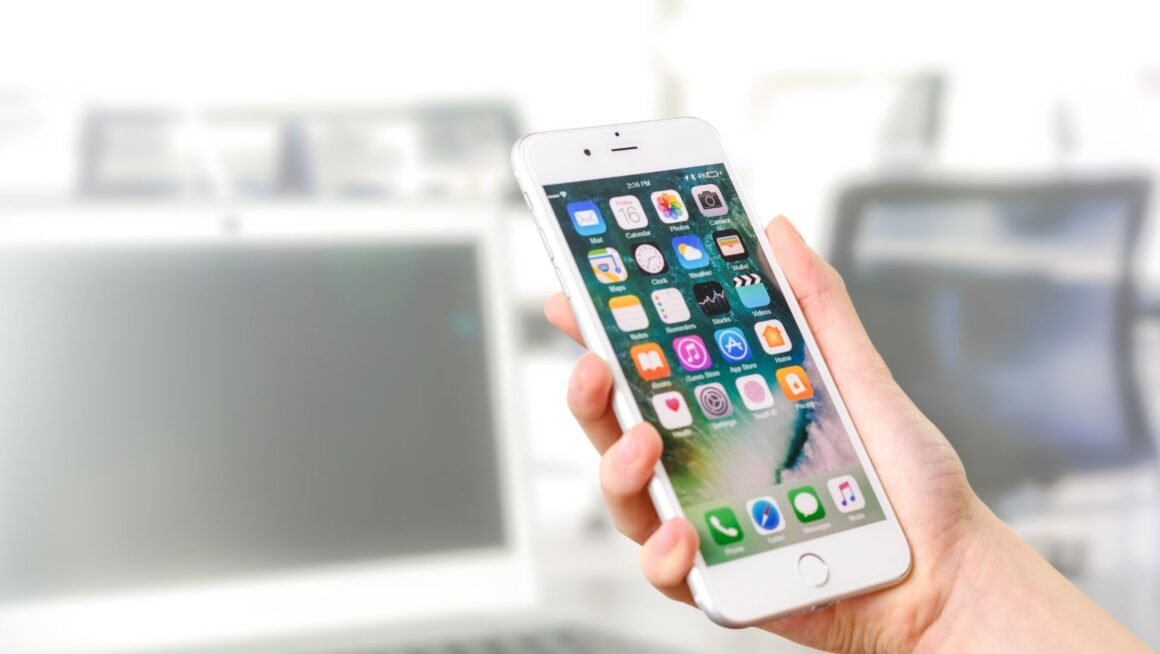
Low memory shows up as reloading and stuttering. Apps can’t stay open. The phone forgets what was happening five seconds ago. That is not a personality issue, it is resource pressure. The result is slow multitasking and a phone that feels tired.
Camera Upgrades Are Useful, But Rarely the Only Reason
A better camera can be practical: scanning documents, reading small text, taking clean photos in low light, capturing video without shaky blur. A camera that struggles creates friction in work and study tasks, not only in selfies.
Still, the camera alone is rarely a must-upgrade reason. It becomes a strong reason when it joins other issues like heat, lag, or unreliable battery behavior. That combo is usually the sign the device is reaching the end of its comfortable life.
Repair vs Upgrade: The Simple Money Test
Sometimes a repair is the smarter move. A battery replacement can bring a phone back to normal. A new screen can prevent accidental taps and headaches. A port cleaning can solve “charging issues” that look scarier than they are.
The decision flips when repairs pile up. If one fix solves one problem, fine. If the phone needs a battery, a port, and a screen, the device is sending a message. Also, older phones can become harder to service, and replacement parts can vary in quality.
A Calm Decision Framework for Real Life
Before the second list, it helps to run a small, honest check. This keeps the choice practical, not impulsive.
- If security support is ending, upgrading is justified
Safety is not a luxury feature. - If the battery controls the schedule, upgrading is justified
A phone should follow the routine, not lead it. - If performance blocks work or study, upgrading is justified
Lost time adds up fast. - If one affordable repair fixes the main pain point, repairing is smarter
Extending life is a win when stability returns. - If the phone works fine and the urge is mostly novelty, waiting is smarter
Money saved is also a feature.
The Takeaway
A smartphone upgrade is truly needed when reliability, security, or daily comfort is slipping. Battery predictability, update support, storage pressure, and heating are the strongest signals. When those stack up, upgrading is not vanity. It is maintenance.
The funny twist is that the best upgrades feel boring. The phone stops demanding attention, stops negotiating with the day, and quietly does its job again. That is the real upgrade.